
Understanding IBC: Resources
This page offers a curated selection of resources to help you begin your journey into the Infinite Banking Concept (IBC). While not exhaustive, this list provides valuable references that will deepen your understanding of how IBC works and how whole life insurance can be a powerful financial tool. Use these books, podcasts, and articles as a starting point to gain insight and take control of your financial future. Explore these resources and continue building your knowledge of IBC.
BOOKS

Becoming Your Own Banker by R. Nelson Nash
Becoming Your Own Banker is the foundational guide to the Infinite Banking Concept. Nelson Nash explains how individuals can take control of their financial futures by using whole life insurance policies to create their own personal banking system. This book lays out the core principles of IBC, offering a transformative approach to personal finance and wealth-building.
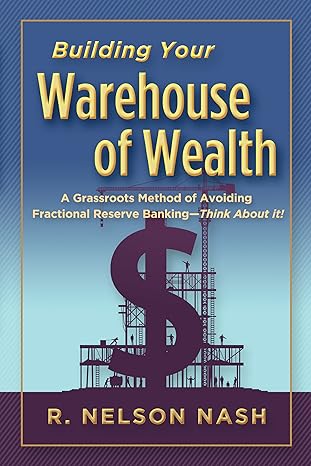
Warehouse of Wealth by R. Nelson Nash
In Warehouse of Wealth, Nelson Nash delves deeper into the philosophy of Infinite Banking, exploring how wealth is stored and managed in ways most people don’t consider. Nash expands on how traditional banking practices work and offers a revolutionary perspective on building financial independence through whole life insurance.

How Privatized Banking Really Works by L. Carlos Lara and Robert P. Murphy
How Privatized Banking Really Works provides an in-depth look at the economic and financial systems that dominate today’s world, and how individuals can opt out of the traditional banking system. Lara and Murphy explain how privatized banking, particularly through IBC, offers a more efficient, secure, and profitable way to manage personal wealth.
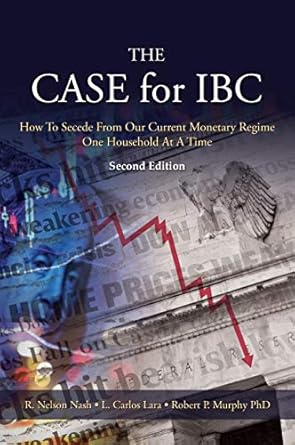
The Case for IBC by R. Nelson Nash, L. Carlos Lara, and Robert P. Murphy, PhD
The Case for IBC is a concise, compelling argument for why individuals should embrace the Infinite Banking Concept. Written by three leading experts in the field, this book outlines the key benefits of IBC, debunks common misconceptions, and provides a clear roadmap for using whole life insurance as a powerful tool for financial independence.
Podcast
Wealth Warehouse Podcast
The Wealth Warehouse Podcast, hosted by David Befort and Paul Fugere, is dedicated to breaking down the Infinite Banking Concept (IBC) and empowering listeners to take control of their financial futures. With practical insights, real-life examples, and expert interviews, this podcast helps individuals understand how to use whole life insurance policies to build personal wealth, achieve financial freedom, and create lasting legacies. Whether you’re new to IBC or looking to deepen your knowledge, the Wealth Warehouse is an invaluable resource for navigating your IBC journey.

Explore Other Resources
To truly grasp the power of the Infinite Banking Concept (IBC), it’s important to explore a variety of resources that offer different perspectives and insights. This page provides a selection of books, podcasts, and references to help you develop your own understanding of IBC and how whole life insurance can transform your financial strategy. By engaging with these materials, you can build a solid foundation, discover new ideas, and craft a personalized approach to creating wealth and financial independence. Use these resources as a guide to take control of your financial future.
Questions to Ask When Buying Whole Life Insurance
It’s important to know the right questions to ask when buying whole life insurance. We will guide you through essential topics, such as policy benefits, how to use your policy for infinite banking, and how to ensure long-term financial growth.
Here are some frequently asked questions to help you better understand how whole life insurance and the Infinite Banking Concept can work for you, empowering you to make informed decisions before your appointment.
1. How can this whole life policy be structured to maximize its use for Infinite Banking?
To maximize a whole life policy for Infinite Banking, the policy should be structured with high early cash value and flexibility. This can be achieved by reducing the base death benefit (to lower the cost of insurance) and focusing more on maximizing Paid-Up Additions (PUAs). PUAs allow you to inject additional funds into the policy, significantly increasing your cash value growth. A flexible premium structure, which allows you to make extra payments when desired, further enhances your control over the policy.
2. What is the cash value growth rate, and how quickly can I start using it for IBC?
The cash value growth rate depends on the specific policy design, the dividend-paying ability of the insurance company, and whether you add Paid-Up Additions to accelerate growth. With a well-designed policy, you can typically start borrowing against the cash value within the first month. The growth rate can vary, but whole life policies issued by strong mutual insurance companies often have dividend-paying policies that enhance your cash value over time, making them ideal for IBC.
3. How do policy loans work, and how does borrowing against the cash value affect the policy’s growth?
Policy loans allow you to borrow against the cash value of your policy, using it as collateral. The insurance company provides you the loan, and the cash value remains intact, continuing to grow.
Borrowing does not reduce the cash value itself but creates a loan that must be repaid with interest. The loan amount is subtracted from the death benefit until repaid. However, with a non-direct recognition mutual insurance company, your policy’s dividends and cash value growth are not affected by the loan. This means your cash value and dividends will grow as if no loan was taken, ensuring uninterrupted compounding.
4. Will I continue to earn dividends on the full cash value, even when I take loans from the policy?
Yes, with a non-direct recognition mutual insurance company, you will continue to earn dividends and interest on the full cash value—even the portion used as collateral for a loan. Non-direct recognition companies do not “recognize” the outstanding loan when calculating your dividends or interest, allowing your entire cash value to grow as if no loan were taken. This is one of the key reasons why non-direct recognition policies are ideal for Infinite Banking, as they allow for uninterrupted compounding while using your cash value.
5. What flexibility do I have in repaying policy loans under IBC?
Policy loans under IBC offer significant flexibility. There are no fixed repayment schedules, allowing you to repay the loan on your terms. You can choose to make regular payments, lump-sum payments, or delay repayment altogether. However, the interest on the loan should be paid to avoid compounding interest. If the loan is not repaid, the outstanding amount (including interest) will be subtracted from the death benefit. This flexibility makes it easy to manage your finances and prioritize other opportunities or obligations as they arise.
6. How can this policy be customized to maximize cash value growth and minimize insurance costs?
To optimize the policy for Infinite Banking, focus on reducing the base death benefit while maximizing contributions to the cash value through Paid-Up Additions (PUAs). PUAs inject additional capital into the policy, increasing the cash value without significantly increasing the cost of insurance. You can also add riders like a term rider to maintain a higher death benefit without incurring high premiums. This structure minimizes the insurance costs and directs more of your premium toward cash value growth.
7. Are there any additional riders or features that enhance the policy's use for Infinite Banking?
Yes, key riders include:
- Paid-Up Additions (PUA) Rider: This allows you to contribute additional premiums directly to the cash value, accelerating growth. It’s essential for maximizing your policy’s use for Infinite Banking.
- Term Rider: Increases the death benefit at a lower cost than increasing the base whole life insurance. This rider can help you keep costs down while still enhancing the overall coverage.
- Waiver of Premium Rider: Ensures that if you become disabled, the insurance company will pay the premiums on your behalf, allowing your policy to continue to grow uninterrupted.
8. What are the tax advantages of using whole life insurance for Infinite Banking?
Whole life insurance offers several significant tax advantages:
- Tax-deferred growth: The cash value grows tax-deferred, meaning you don’t pay taxes on the growth as long as it remains within the policy.
- Tax-free loans: Policy loans are not considered taxable income, allowing you to access your cash value without triggering a taxable event.
- Tax-free death benefit: The death benefit is generally passed to your beneficiaries tax-free, making it an effective wealth transfer tool. These tax advantages make whole life insurance an ideal vehicle for Infinite Banking, allowing you to grow your wealth while minimizing tax exposure.
9. How does this policy ensure uninterrupted growth of my capital while I use it as my own bank?
With a non-direct recognition mutual insurance company, your policy’s cash value continues to grow uninterrupted even when you take loans against it. This is because the company does not “recognize” the outstanding loan when calculating dividends and interest. As a result, your cash value grows as if the loan never occurred. This ensures that your capital is always compounding, even while you’re using it for other financial purposes. The uninterrupted growth of your capital is a key benefit of Infinite Banking.
10. What steps can I take to optimize the policy for long-term wealth-building through Infinite Banking?
To optimize your policy for long-term wealth-building:
- Maximize Paid-Up Additions (PUA): Regularly contribute to PUAs to boost cash value growth.
- Strategically use policy loans: Borrow against your policy for major purchases or investments while ensuring you manage repayment to keep your loan balance under control.
- Consistently review your policy: Work with a knowledgeable agent to ensure your policy stays aligned with your financial goals.
- Focus on cash value growth: Keep insurance costs low by minimizing the base death benefit and maximizing cash value contributions.
11. How will this policy impact my overall financial strategy and help me build generational wealth?
Using whole life insurance for IBC can create a self-sustaining financial system where you can finance your own needs while the cash value continues to grow. Over time, this allows you to build significant wealth, which can be passed on to future generations through the tax-free death benefit. The policy also provides liquidity, allowing you to seize opportunities or address financial challenges without relying on external lenders, keeping you in control of your financial strategy.
12. What is the best way to integrate this policy with my existing financial goals for maximum benefit?
To integrate this policy with your financial goals:
- Use it as a foundational asset: Treat the cash value as your liquid reserve for emergencies or opportunities.
- Leverage loans strategically: Finance major purchases or investments through policy loans while allowing your cash value to continue growing.
- Align with long-term goals: Ensure your policy structure supports your broader objectives, such as retirement planning, wealth transfer, or investment.Regularly review your policy to ensure it remains optimized for your financial strategy.